Home » Stories from the 18th Century » Cultura aristocrática / Poetry / Literary Salons / The 18th Century / Casanova » Casanova_official_museum » Casanova as a Poet: The Word as Social Art in the Eighteenth Century
01 October 2026
Casanova as a Poet: The Word as Social Art in the Eighteenth Century
 Casanova Official Museum
Casanova was not just an adventurer and seducer—in eighteenth-century Europe, he used poetry as a social tool. In salons and academies, poetic improvisation became conversation, wit, and social recognition. Discover how occasional verses were a cultural currency and how Casanova used them to build reputation, influential circles, and intellectual seduction.
TAKEAWAY
- Casanova used poetry as a social tool, not just an academic exercise, blending intellectual seduction, conversation, and personal reputation.
- In the eighteenth century, occasional poetry acted as a shared language in salons: it entertained, tested wit, and created prestige.
- Improvisation and membership in academies like Arcadia showed how verse could open doors, forge relationships, and boost visibility.
This article is based on the scientific contributions of our historians, reworked by the museum editorial team for digital use.
Abstract
Alongside the image of the adventurer, Giacomo Casanova was also a refined poet, deeply embedded in the culture of eighteenth-century Europe. In an era described as the “civilization of conversation,” poetry was for Casanova a tool for social communication, prestige, and intellectual seduction.
Summary
- Casanova as a poet: beyond the stereotype of the adventurer
- Poetry in eighteenth-century society
- Improvisation and conversation
- Poetry as prestige and recognition
- A libertine of words
Casanova as a poet: beyond the stereotype of the adventurer
When we think of Casanova, we immediately picture the adventurer and seducer. However, this well-established image has overshadowed a central facet of his personality: his deep connection with poetry.
Casanova was neither an academic poet nor a methodical author, but rather a brilliant versifier, gifted at improvising, writing in several languages, and using poetry as a tool for social relations and self-affirmation.
Poetry in eighteenth-century society
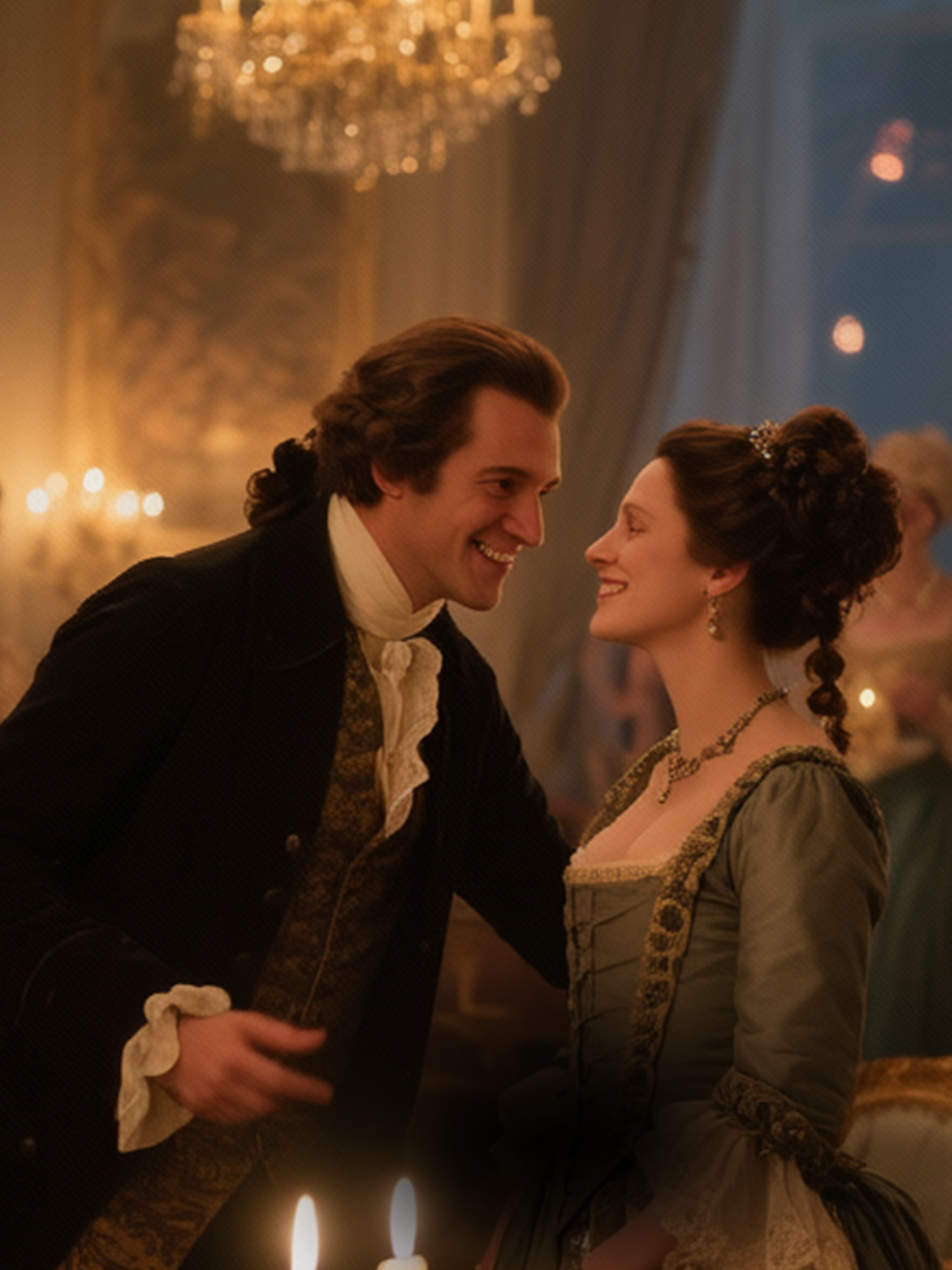
The eighteenth century was described by Benedetta Craveri as the civilization of conversation. In aristocratic salons, words were at the heart of social life: people discussed, joked, and put their wit to the test.
In this context, poetry was not reserved for professional writers. Writing verse meant entertaining, standing out, attracting attention, and gaining prestige. It was a common practice among nobles, prelates, courtiers, and salon women.
Improvisation and conversation
The son of actors and accustomed to seeing life as a stage, Casanova found poetic improvisation a natural fit. In Italy, the ability to compose extemporaneous verses was highly valued, a sign of intelligence and brilliance.
For Casanova, poetry thus became an extension of conversation, a way to impress and seduce not just with his body, but above all with his words.
Poetry as prestige and recognition
In the eighteenth century, occasional poetry was a crucial tool for social visibility. Casanova was fully aware of this. He took part in literary contests and was a member of the Academia dell’Arcadia, taking the pastoral name Eupolemo Pantaxeno.
In these circles, he composed celebratory sonnets and encomiastic verses, using poetry to boost his reputation and reinforce influential relationships.
A libertine of words
For Casanova, poetry was never mere ornament, but an integral part of his identity. Poetic language allowed him to blend pleasure, intelligence, and social recognition, embodying the spirit of his era.
In this sense, Casanova can be seen as a true libertine of words, living poetry not as an abstract discipline, but as a vibrant and relational practice.
FREQUENTLY ASKED QUESTIONS
Why is Casanova also considered a poet?
Because, beyond his fame as an adventurer, he practiced poetry as a form of social connection. He was a brilliant versifier, able to improvise and write in multiple languages, adapting verses to different contexts.
What role did poetry play in eighteenth-century salons?
In aristocratic salons, words were central and poetry served to entertain and showcase wit. It was not exclusive to literary figures: composing verse helped people to stand out and gain prestige.
What does ‘civilization of conversation’ mean?
It refers to an era when conversation was the main cultural and social arena. Wit, irony, and quick thinking counted as much as ideas: poetry became a refined variant of public dialogue.
Why was poetic improvisation so admired?
Because it demonstrated intelligence, memory, and stage presence in front of an audience. In a worldly context, spontaneity turned verse into a performance, useful for impressing and solidifying one’s position.
What was Casanova’s relationship with the Accademia dell’Arcadia?
Casanova took part in literary circles and was a member of the Accademia dell’Arcadia, adopting a pastoral name. In those contexts, he composed celebratory sonnets and encomiastic verses to boost his reputation and strengthen influential ties.