
The restoration of the Zaguri Palace
The restoration of Palazzo Zaguri represents a complex and conscious intervention aimed at recovering a deeply stratified historical building, respecting its identity and the transformations that have occurred over the centuries.
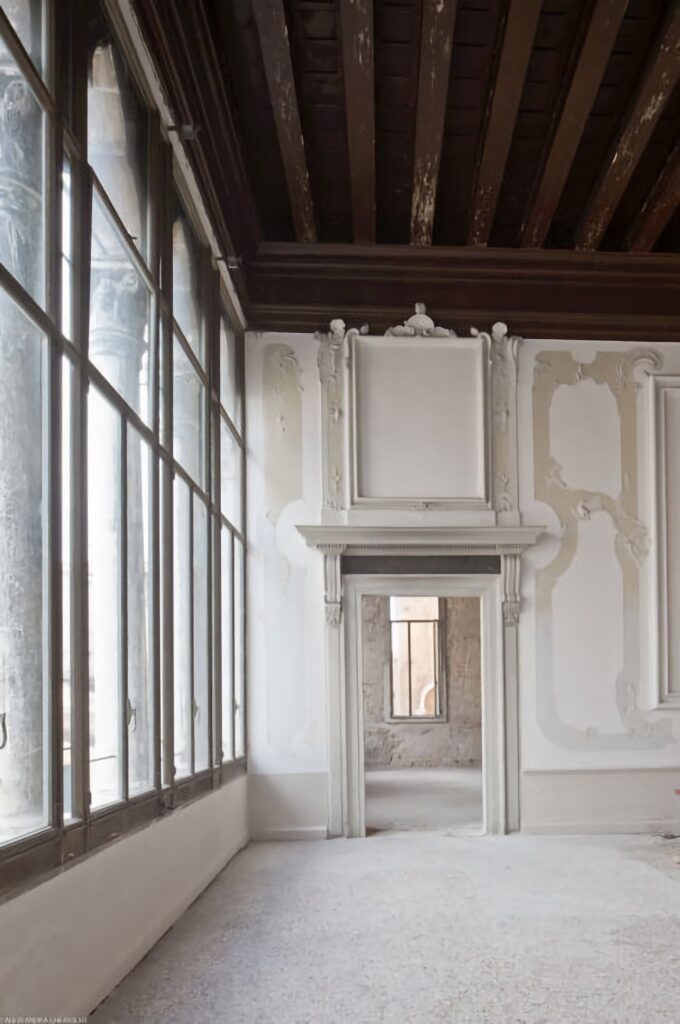
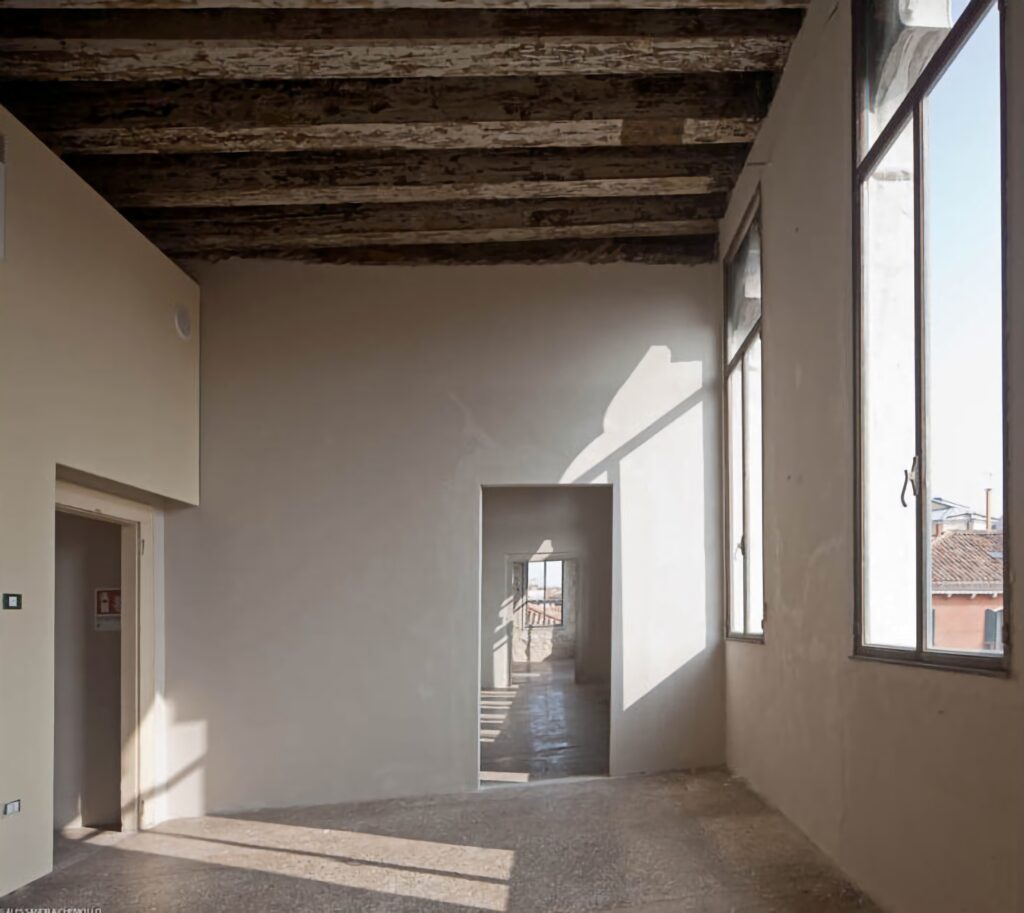
The goal was not to restore the palace to a single historical era, but to preserve its memory, making the dialogue between past and present legible.
A building marked by time
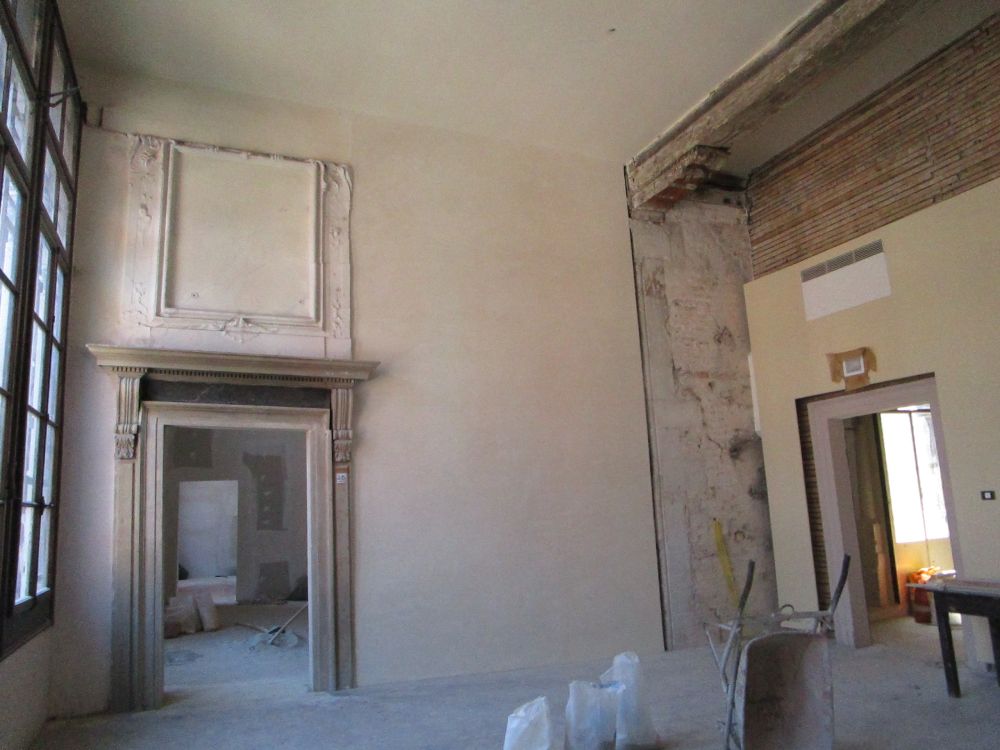
When the recovery project began, Palazzo Zaguri showed obvious signs of degradation, due both to the natural passage of time and to the many changes of function it had undergone over the centuries: noble residence, collective dwelling, commercial headquarters, school building.
These transformations had affected the masonry, wooden structures and interior surfaces, necessitating a careful intervention based on a thorough knowledge of the building.
Research-based restoration
Prior to the operational intervention, the restoration was preceded by an articulated phase of investigations, surveys and monitoring, which were essential to understand the building’s constructive nature and its state of preservation.
This cognitive phase made it possible to set up a focused design that respected the original materials and traditional building techniques, avoiding invasive solutions or arbitrary reconstructions.
Respect for historical stratification
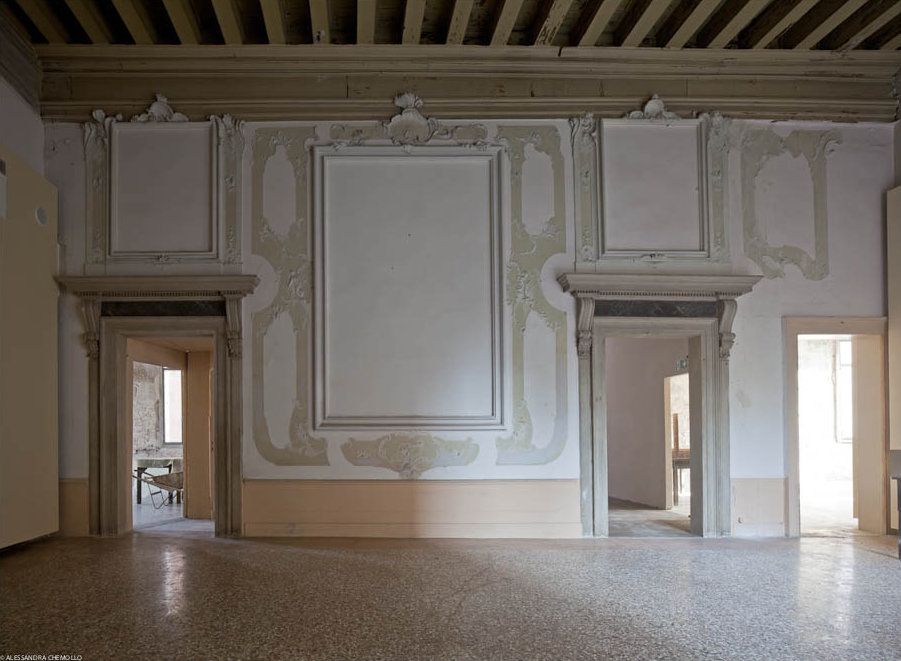
One of the guiding principles of the restoration was to respect the layering of eras.
Zaguri Palace was not “unified,” but allowed to speak through its traces.
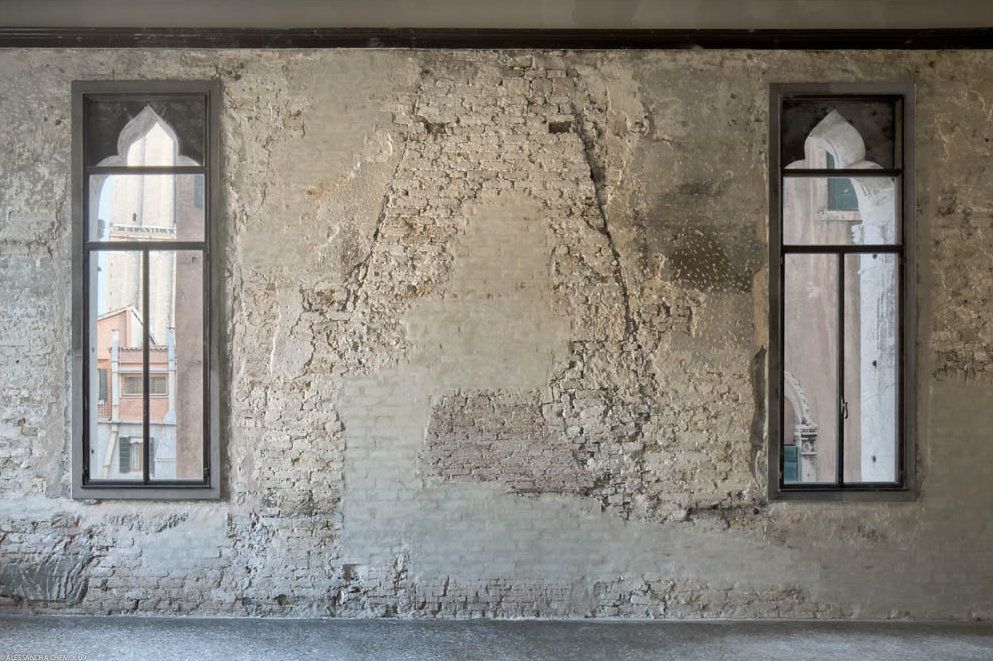
Gothic brick masonry, partially removed plaster, scorched walls, and surfaces left exposed now tell more than six hundred years of history. The palace presents itself as a living organism, in which each intervention dialogues with what precedes it.
The significant elements
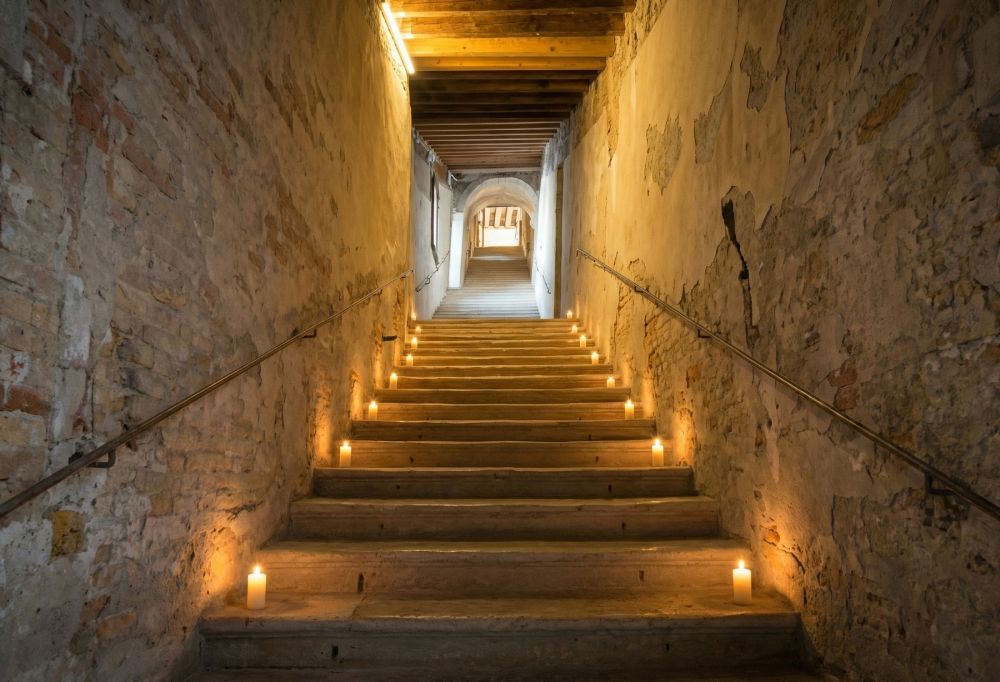
Among the most significant elements returned by the restoration is the long monumental staircase, the true backbone of the palace.
Rediscovered and enhanced, the staircase is not only an architectural element, but now becomes a narrative and spatial axis, capable of accompanying the visitor along the museum route and ideally connecting the different levels of the palace’s history.
The restoration work involved masonry and wooden structures, roofing, foundations and stone elements, with the aim of restoring functionality and safety without compromising architectural legibility.
Every choice was oriented toward preserving thematerial authenticity of the building, favoring consolidation and recovery over replacement.
Through this intervention, Palazzo Zaguri becomes an example of how restoration can be a tool for knowledge and transmission of memory. Every wall, every surface, every recovered element tells a story that is not erased, but made visible.
The building is not only preserved: it is lived in again.
Zaguri Palace
History before restoration.Learn about the architectural and historical evolution of the Zaguri Palace.