
History and architecture of Zaguri Palace
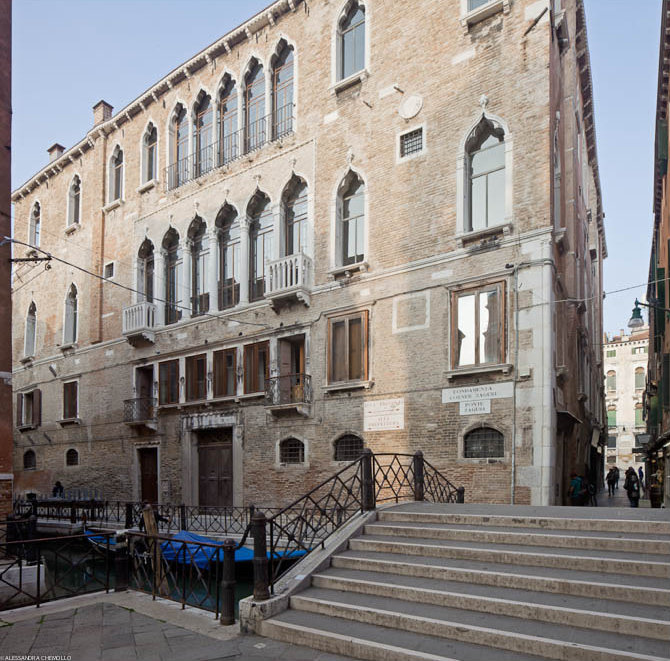
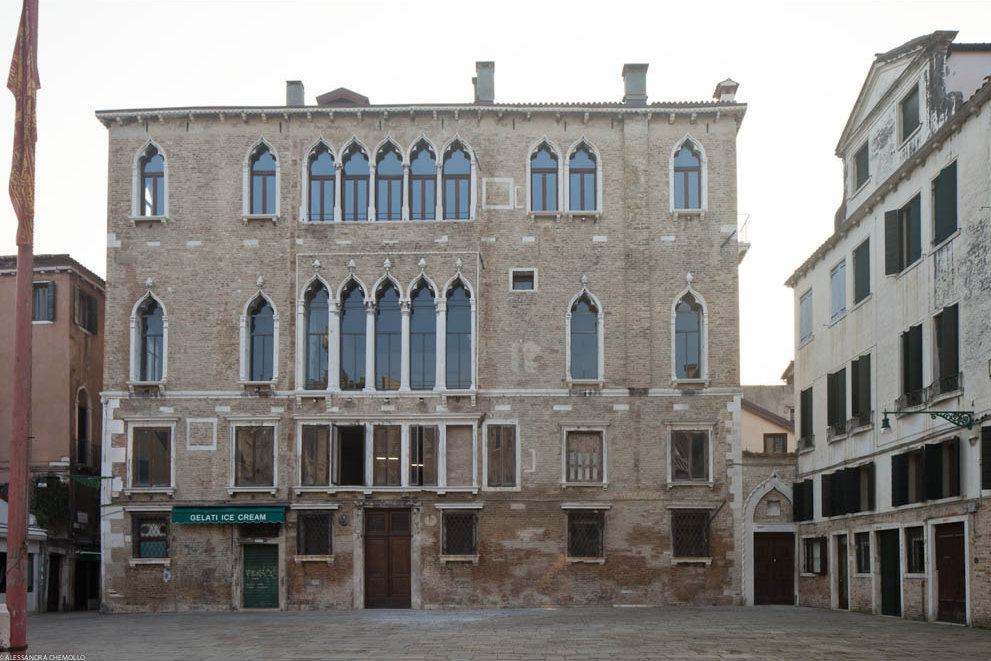
In the heart of Venice, between Campo San Maurizio and Santa Maria del Giglio, Palazzo Zaguri represents one of the most fascinating examples of Venetian Gothic architecture. Its history spans more than six centuries, interweaving influential families, art collections, urban transformations and the city’s cultural life.
Originally known as Palazzo Pasqualini, the building bears witness to a dynamic, mercantile and cultured Venice, capable of reinventing itself over time without losing its identity.
A journey through time
The construction of Palazzo Zaguri began in 1353. It originally belonged to the bourgeois Pasqualini family, originally from Milan, influential in the silk trade and a member of the Scuola Grande di Santa Maria della Carità, one of Venice’s most prestigious secular-religious institutions.
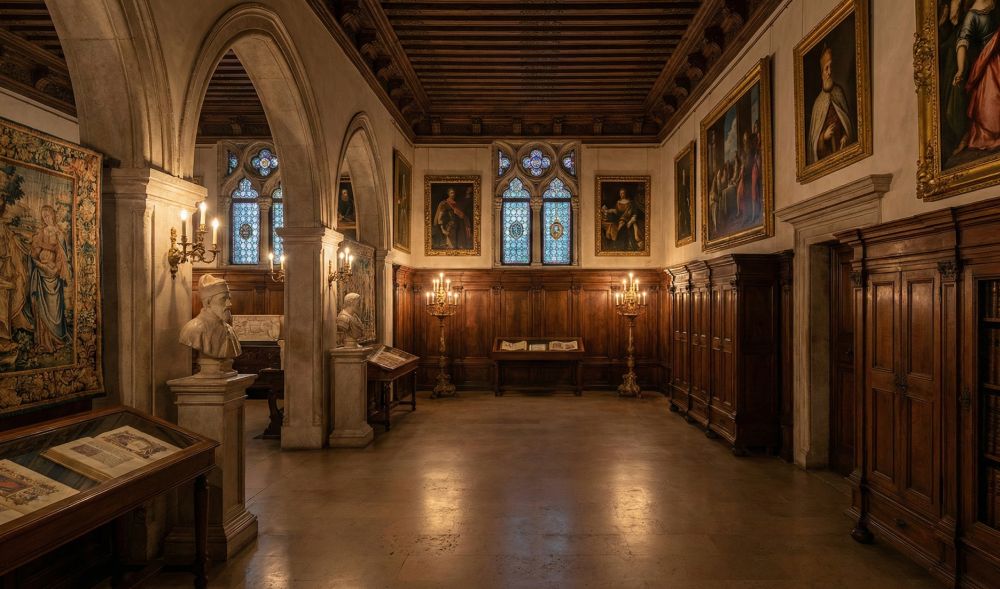
The Pasqualini transformed the palace into a place of representation and culture, commissioning works from important Renaissance artists and creating an extraordinarily valuable art collection, documented by historian Marcantonio Michiel in the 16th century. The palace thus established itself as a space of prestige and intellectual sophistication.
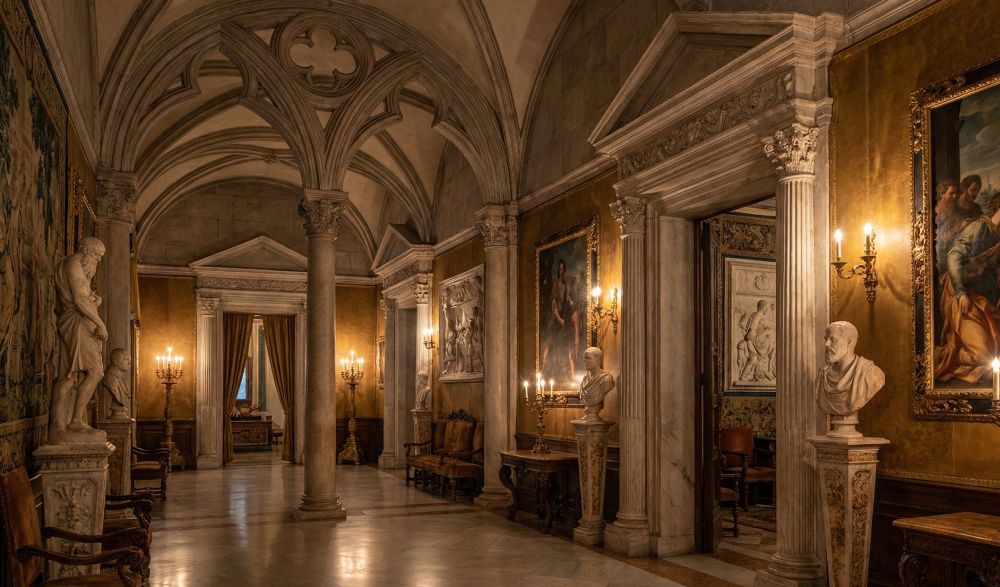
In 1521 the palace was purchased by Alvise Priuli, a member of one of the city’s most influential noble families. Even under the Priuli, the building continued to be enriched with decorative apparatus, statues, and works commissioned from leading artists such as Alessandro Vittoria.
During the 16th and 17th centuries the palace experienced a fragmentation of ownership, until it finally passed to the Zaguri family. It was from this time that the building assumed the name by which it is known today, consolidating its role in the Venetian urban fabric.
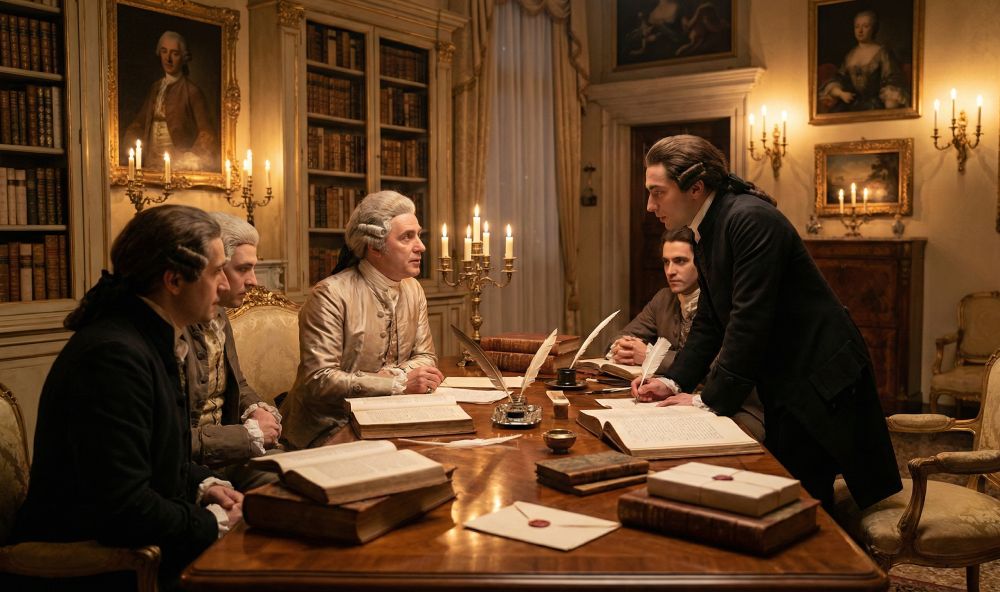
In the 18th century Palazzo Zaguri was wholly owned by the Zaguri family of San Maurizio. In particular, Pietro I Antonio Zaguri stands out as a central figure in Venetian cultural life: a man of letters, patron and promoter of artistic initiatives.
The palace became a place of intellectual relations and cultural exchanges, frequented by prominent personalities. Pietro I Antonio Zaguri was a friend and protector of Giacomo Casanova, helping to make Palazzo Zaguri a space deeply connected to the cultural history of 18th-century Venice
800-900
800-900
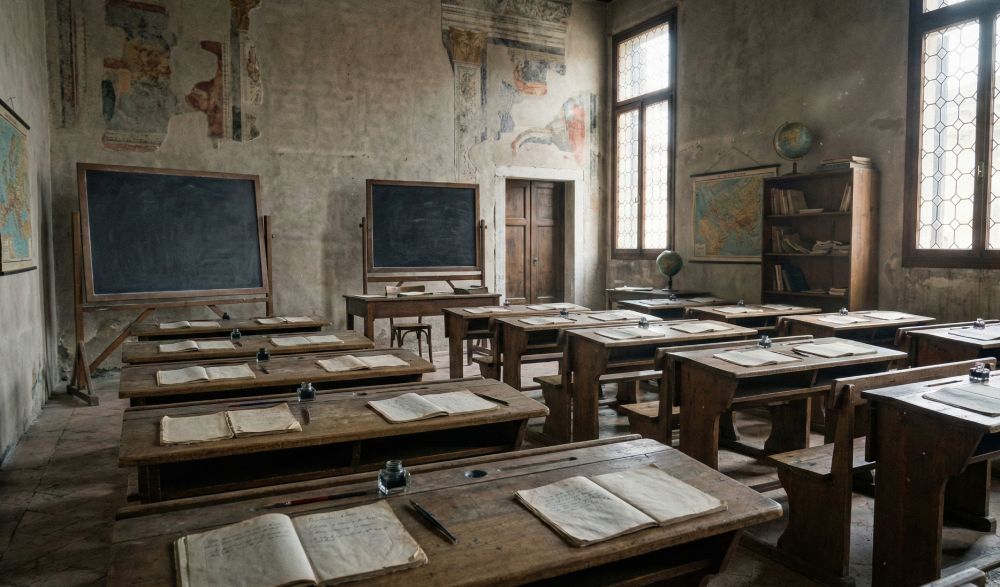
After the Zaguri family died out, the palace passed to new owners and gradually took on different functions. Between the 20th century and the mid-20th century, part of the building was acquired by the City of Venice and used as a school.
For decades, Palazzo Zaguri housed city educational institutions, becoming part of the collective memory of generations of Venetians.
This phase marks a profound change, but confirms the building’s ability to adapt to changes in the city.
The restoration of the Zaguri Palace
Do you want to find out how Zaguri Palace came back to life?
An in-depth look at architectural rehabilitation and contemporary enhancement.